

AC Tripping the Breaker in New Orleans? What to Do and What Not to Do
Last Updated: September 2026
What This Guide Covers
- Is It Safe to Reset a Tripped AC Breaker?
- What Makes an AC Trip Its Breaker?
- How Do You Tell if the Breaker Itself Is Bad?
- What Does It Cost to Put Right?
- Why Does This Happen More in New Orleans?
- Frequently Asked Questions
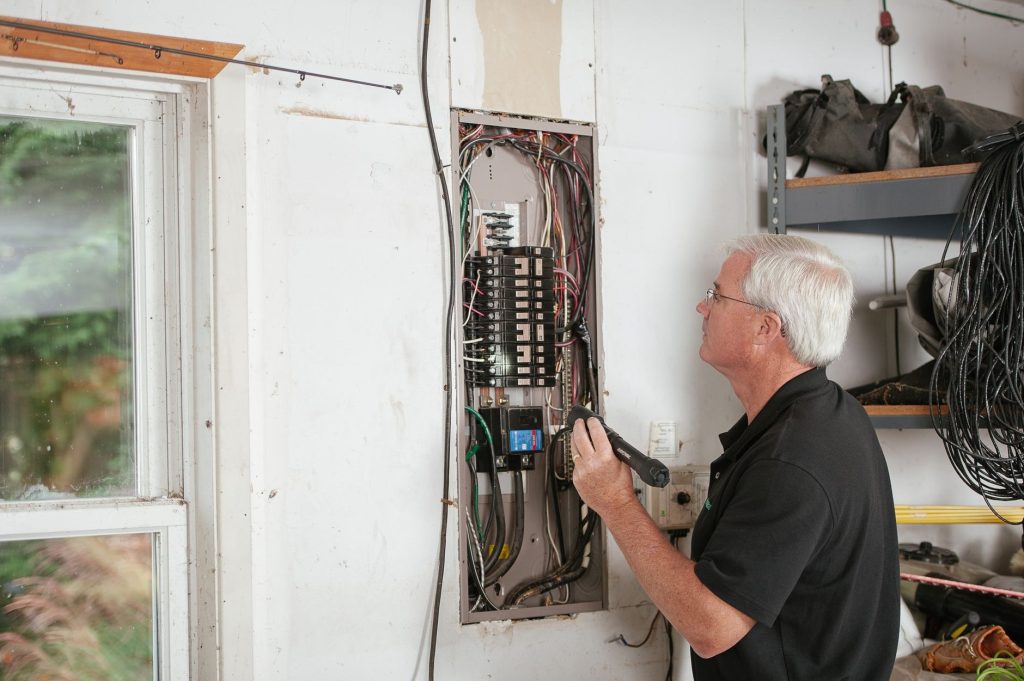 A breaker is a safety device, and it does not trip for no reason. When the one feeding your air conditioner goes, something drew more current than the circuit is rated to carry. Sometimes that is the breaker doing its job on a genuine fault. Occasionally the breaker itself has worn out. Either way, the reset switch is not the fix. This guide from Big Easy Air Conditioning explains what to do and where the line is.
Is It Safe to Reset a Tripped AC Breaker?
Once, yes, if nothing smells hot and nothing is visibly damaged. A single trip can be a one off. If it trips again, stop. Repeated resetting forces current through whatever caused the fault, and the breaker is the only thing standing between that fault and the wiring in your walls.
Before you reset anything, switch the thermostat off first. Resetting a breaker while the system is calling for cooling means the compressor tries to start the instant power returns, which is the worst moment to load a circuit that has just faulted.
If there is a burning smell, a scorch mark on the panel, or the breaker feels hot, do not reset it at all. Leave it off and call someone. The same goes for a breaker that will not stay in the reset position, which usually means the fault is still live.
What Makes an AC Trip Its Breaker?
Most causes fall into three groups. The system is working harder than it should, so a dirty filter, blocked condenser or low refrigerant makes the compressor draw more current. Something electrical is failing, usually a capacitor, contactor or motor. Or the circuit itself has a problem, such as a loose connection or damaged wiring.
The pattern tells you a lot. A trip on startup points at the compressor or its capacitor, because that is when current draw peaks. A trip after the system has run for a while points at overheating, often from restricted airflow. A trip that happens at random points at wiring or the breaker.
Airflow is the one worth checking yourself. A filter that has not been changed in months makes the whole system work harder, and it is the cheapest thing on the list to rule out. Several related faults appear in our roundup of common AC problems and their fixes.
How Do You Tell if the Breaker Itself Is Bad?
Breakers wear out, and one that has tripped many times over the years can start tripping below its rated load. The signs are a breaker that trips with no other symptom, feels warm to the touch when the system is off, or will not reset cleanly. A technician confirms it by measuring actual current draw against the rating.
The trap is assuming this first. A worn breaker is real but it is not the common case, and replacing it while an actual fault remains removes the protection without removing the problem. That is a genuinely dangerous outcome, which is why measurement comes before replacement.
What Does It Cost to Put Right?
The breaker is rarely the expensive part. What decides the bill is what caused the trip. A dirty filter or blocked condenser costs almost nothing to resolve. A failed capacitor is inexpensive. A failing compressor or damaged wiring is a different conversation entirely, and until someone measures it nobody can tell you which one you have.
We do not quote a flat figure for this because the honest answer depends on the diagnosis. If you want an idea before anyone comes out, tell us what the system is doing and we will give you a range.
If yours has needed several visits lately, it is worth reading how long a system lasts in this climate before spending more on repairs.
Why Does This Happen More in New Orleans?
Because the system runs far more hours here than in most of the country, and current draw rises with outdoor temperature. A compressor working against a hot afternoon pulls more than the same compressor would in a mild climate, so a circuit that was always marginal shows it here first, usually in July rather than January.
Humidity plays its part too. Moisture and salt air reach outdoor electrical connections, and corrosion at a connection raises resistance, which raises heat and current. That is also why breaker trips often arrive alongside other symptoms rather than on their own.
If the trips come with weak cooling rather than a hard stop, the diagnosis runs differently, and our guide to an AC blowing warm air covers that path instead.
Frequently Asked Questions
Is it safe to reset a tripped AC breaker?
Once, if nothing smells hot and nothing looks damaged, and with the thermostat switched off first. If it trips a second time, leave it off and call a technician. Repeated resetting pushes current through an unresolved fault.
How do I stop my AC tripping the breaker?
By fixing the cause rather than the symptom. Check the air filter and clear the outdoor unit first, since restricted airflow is both common and cheap to resolve. Anything beyond that needs current draw measured.
How do I tell if my AC breaker is bad?
A failing breaker trips without other symptoms, may feel warm when the system is off, and often will not reset cleanly. It is confirmed by measuring real current draw against the breaker rating, not by guessing.
How much does it cost to replace an AC breaker?
The breaker itself is one of the cheaper parts. The cost depends on what caused the trip, which could be a filter, a capacitor, or a failing compressor. Replacing a breaker without finding the cause removes protection you need.
Can a dirty filter really trip a breaker?
Yes, indirectly. A restricted filter makes the system work harder and draw more current, and on a circuit that is already near its limit that is enough to trip it. It is the first thing worth checking.
If It Has Tripped Twice, Stop Resetting It
One trip can be nothing. Two is the system telling you something. Leave the breaker off and call us at 504-636-8724 and we will measure what the unit is actually drawing rather than guessing at it. Our New Orleans repair team can usually tell from the pattern of trips where to look before anyone opens a panel.