Centralized AC - Big Easy Air Conditioning

Central Air Conditioners

Central Air Conditioners in New Orleans: Types, Costs & Installation

When summer temperatures in the Crescent City push past 95 degrees and the humidity makes it feel like 110, a reliable central air conditioning system is not a luxury. It is a necessity. Big Easy Air Conditioning has been helping New Orleans homeowners choose, install, and maintain central AC systems built for this region’s punishing Gulf Coast climate. Whether you are replacing an aging unit or installing central air for the first time, this guide covers everything you need to know about central air conditioning in New Orleans.

What Is a Central Air Conditioning System?

A central air conditioning system cools your entire home through a single, unified network rather than cooling one room at a time. It uses a series of supply and return ducts to circulate conditioned air throughout every room, maintaining a consistent temperature set by your thermostat.

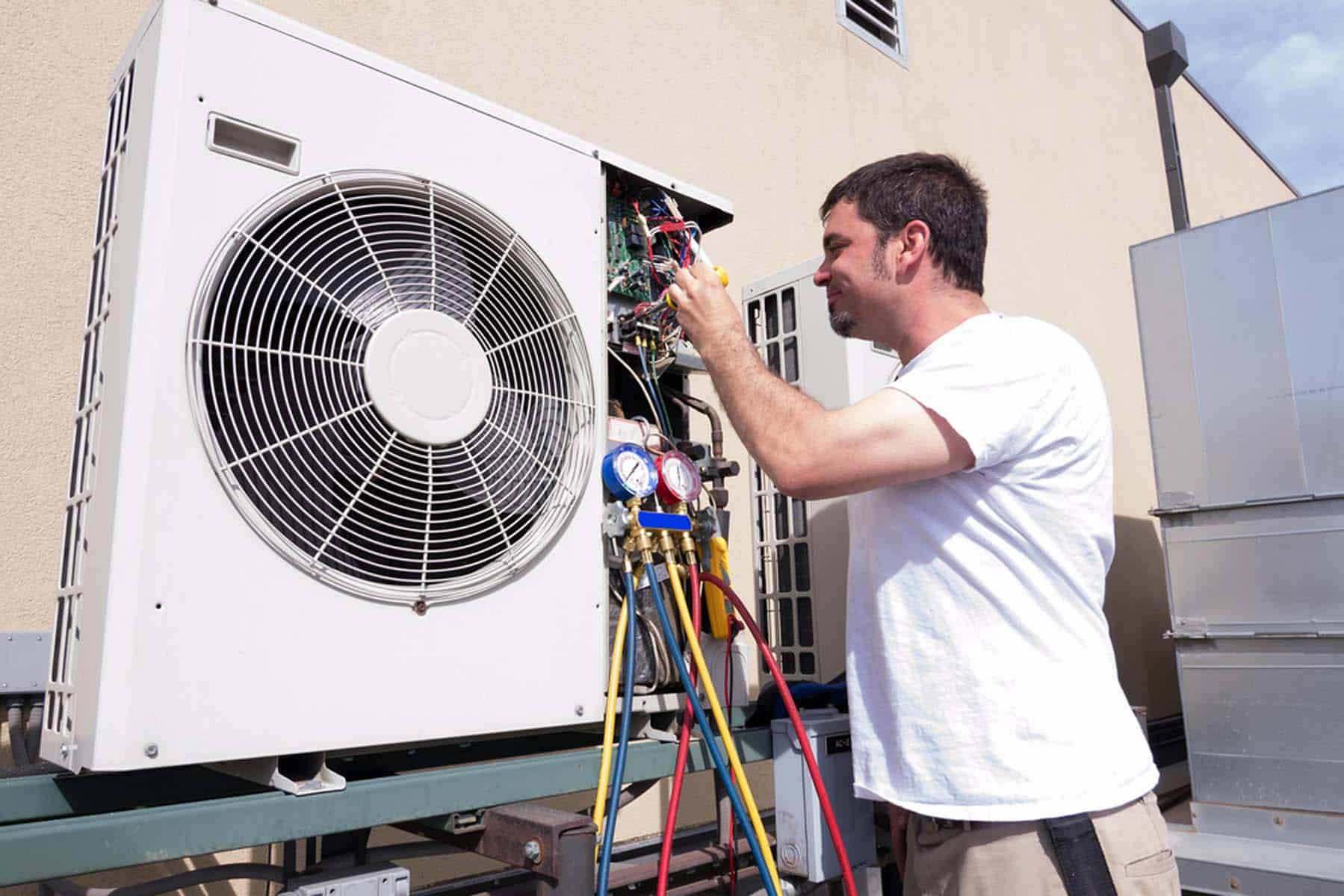
The system has three main components working together: an outdoor unit (the condenser), an indoor air handler or furnace, and the ductwork that connects them. Refrigerant circulates between the indoor and outdoor units, absorbing heat from inside your home and releasing it outside. The result is cooler, drier, more comfortable air throughout your entire living space.

In New Orleans, central AC does double duty. Beyond cooling, it removes enormous amounts of humidity from indoor air, which is just as important for comfort and health as the temperature reduction itself.

Types of Central AC Systems for New Orleans Homes

Not all central air conditioning systems are the same. The right choice depends on your home’s construction, existing infrastructure, and how you use your space.

Split System Central AC (Most Common in NOLA)

The split system is by far the most common central air conditioning configuration in New Orleans. It consists of a separate outdoor condenser unit and an indoor air handler or evaporator coil that connects to your existing ductwork and furnace.

Split systems are preferred because they are highly efficient, quiet, and available in a wide range of SEER2 ratings to meet Louisiana’s climate demands. If your home already has ductwork from a previous system, swapping to a new split system is the most straightforward and cost-effective upgrade path.

For NOLA homeowners, a split system with a variable-speed air handler is an excellent investment. Variable-speed technology allows the system to run at lower capacities for longer periods, which is ideal for humidity control in our muggy climate.

Packaged Unit Central AC

A packaged unit contains all components, the compressor, condenser, and evaporator, in a single cabinet that is typically installed on the roof or on a concrete pad beside the home. All ducts run directly in and out of this single unit.

Packaged units are popular in New Orleans for older homes that lack attic space, crawl spaces, or interior closets for a separate air handler. Many of the city’s raised shotgun houses and Creole cottages rely on packaged systems for this reason. They are also common in commercial applications throughout the metro area.

Modern packaged units can achieve solid efficiency ratings and are built to handle the coastal humidity and salt air that accelerates corrosion in outdoor equipment.

Heat Pump Central AC (Best for NOLA’s Mild Winters)

A heat pump system works as both an air conditioner in summer and a heater in winter, making it an excellent choice for the New Orleans climate where temperatures rarely drop below freezing. Instead of burning fuel to generate heat, a heat pump moves heat from outside into your home during cooler months, which is far more energy-efficient than traditional heating.

Because New Orleans winters are relatively mild, heat pumps can provide efficient heating throughout the season without a backup furnace in most cases. The same refrigeration cycle that cools your home in August can reverse to warm it in January, running on electricity at a fraction of the cost of gas heat for our mild winters.

Heat pumps are increasingly popular in Louisiana as electricity rates remain competitive and homeowners look to reduce their reliance on natural gas.

How Central AC Works in New Orleans’ Humid Climate

Understanding how your central AC system actually works helps you recognize when something is wrong and why proper sizing and maintenance matter so much in our climate.

The Refrigeration Cycle

Your central AC uses refrigerant, a chemical compound that easily changes between liquid and gas states, to transfer heat. The indoor evaporator coil absorbs heat and moisture from your home’s air, cooling the refrigerant inside. That now-warm refrigerant travels to the outdoor condenser, where the heat is released into the outside air. The cycle repeats continuously until your thermostat reaches the set temperature.

Dehumidification: Critical in New Orleans

When warm, humid indoor air passes over the cold evaporator coil, moisture condenses on the coil surface, just like condensation forms on a cold glass on a humid day. That moisture drips into a drain pan and exits through the condensate drain line. This is how your AC removes humidity from the air.

In New Orleans, where outdoor humidity regularly exceeds 80 to 90 percent, this dehumidification function is nearly as important as cooling. A properly operating system should maintain indoor relative humidity between 45 and 55 percent. When the AC runs poorly or is improperly sized, humidity levels creep up, making your home feel warmer than the thermostat reads and creating conditions that promote mold growth.

Why Oversizing Is a Problem in NOLA

Many homeowners assume that a bigger AC unit cools better and faster. In New Orleans, oversizing is actually one of the most common and damaging mistakes made during AC installation.

An oversized system cools the air so quickly that it reaches the set temperature before it has run long enough to remove adequate humidity. This is called “short cycling.” The result: a cool but clammy home, rapid on-off cycling that strains the compressor, higher electricity bills from frequent startup surges, and a system that wears out years ahead of schedule.

Proper sizing requires a Manual J load calculation that accounts for your home’s square footage, insulation levels, window placement, ceiling height, and local climate data. A reputable HVAC contractor will never size a system based on square footage alone.

Central AC Efficiency: SEER2 Ratings Explained

SEER2 stands for Seasonal Energy Efficiency Ratio 2, the updated efficiency metric that replaced the older SEER standard in January 2023. It measures how efficiently an air conditioner uses electricity over a cooling season. A higher SEER2 number means greater efficiency and lower electricity bills.

The 15 SEER2 Minimum for the South Region

As of January 1, 2023, the U.S. Department of Energy requires all new central air conditioners and heat pumps installed in the South region, which includes Louisiana, to meet a minimum of 15 SEER2 for split systems. This is a higher standard than northern states because our longer, hotter cooling seasons demand more efficient equipment to reduce energy consumption at scale.

For homeowners replacing a 10 to 13 SEER unit from the 2000s or early 2010s, upgrading to a 15 to 18 SEER2 system can reduce cooling costs by 15 to 30 percent annually.

How Much Efficiency Do You Actually Need?

A 15 SEER2 system meets the legal minimum and performs well for budget-conscious homeowners. A 16 to 18 SEER2 unit offers a meaningful reduction in operating costs and typically pays back the premium within 4 to 7 years in New Orleans, where air conditioners run 8 to 10 months per year. Systems rated 19 SEER2 and above often include variable-speed compressors and advanced humidity control, making them ideal for NOLA’s climate demands.

Best Central AC Brands for New Orleans

Brand quality matters, but so does local availability of parts and technician familiarity. These five brands consistently perform well in New Orleans’ hot, humid, salt-air environment.

Carrier

Carrier is widely regarded as one of the top-tier HVAC manufacturers in the country. Their Infinity series offers variable-speed technology, superior humidity control, and SEER2 ratings up to 24. Carrier equipment is well-supported by trained technicians throughout the Greater New Orleans area, and parts are readily available, which matters when your AC fails in August.

Lennox

Lennox produces some of the highest-efficiency equipment available, with select models reaching 28 SEER2. Their XC25 and XC21 series use variable-speed compressors and sophisticated humidity control that is particularly well-suited to the Gulf Coast climate. Lennox Premier Dealers in the area receive ongoing factory training.

Trane

Trane built its reputation on durability in harsh conditions. Their equipment is engineered with galvanized steel cabinets and rust-resistant components designed to withstand coastal environments. The XR and XV series offer reliable performance from 16 to 21 SEER2 and are popular choices for New Orleans homeowners who prioritize long-term reliability.

Goodman

Goodman provides solid value for budget-conscious homeowners. While not the premium choice, modern Goodman systems meet the 15 SEER2 minimum and are backed by a competitive warranty: 10 years on parts and an optional lifetime compressor warranty when registered within 60 days. Goodman is a practical choice when a full system replacement is needed on a tight timeline.

Rheem

Rheem’s Prestige and Classic series offer a broad range of efficiency options from 15 to 20 SEER2. Rheem equipment is commonly available throughout Louisiana, and their systems are known for strong performance in high-humidity environments. The brand is a solid mid-tier option balancing price, efficiency, and reliability.

Central AC Installation Cost in New Orleans

The cost to install central air conditioning in New Orleans varies based on system type, efficiency rating, and the complexity of your home’s ductwork situation.

Basic split system (15-16 SEER2): $3,500 to $6,000 installed for a standard 3-ton system in a home with existing ductwork in good condition.

Mid-range split system (17-18 SEER2): $6,000 to $9,000 installed, typically with a two-stage or variable-speed compressor.

Premium variable-speed system (19+ SEER2): $9,000 to $14,000 installed for a top-tier Carrier Infinity or Lennox XC25 series with full humidity control.

Packaged unit replacement: $4,000 to $8,000 depending on unit size and access requirements.

Heat pump system: $5,000 to $10,000 installed, with higher-end variable-speed models reaching $12,000 to $15,000.

Ductwork replacement or sealing: Add $1,500 to $5,000 if ducts need significant repair, replacement, or sealing. In older New Orleans homes, especially those with original ductwork from the 1980s or earlier, duct leakage can reduce system efficiency by 20 to 30 percent.

These ranges represent typical installed costs including equipment, labor, permits, and disposal of the old unit. Get at least three quotes for any major installation.

Central AC vs. Ductless Mini-Split: Which Is Right for Your NOLA Home?

Both central AC and ductless mini-split systems can cool a New Orleans home effectively. The right choice depends on your specific situation.

Choose central AC when: Your home already has ductwork in good condition. You want consistent whole-home cooling at a single thermostat. You are replacing an existing central system and the ducts pass inspection. Budget matters and you want the most cost-effective whole-home solution.

Choose ductless mini-splits when: Your home has no existing ductwork and installing it would be too invasive or expensive. You want zone-by-zone temperature control so different rooms can be set independently. You are adding cooling to a room addition, garage apartment, or historic home where duct runs are impractical. You want maximum efficiency and are willing to invest more upfront for lower operating costs.

In New Orleans’ many older historic homes, shotgun houses, and raised cottages, ductless systems have become increasingly popular because they allow cooling upgrades without the disruptive and expensive process of installing new ductwork through historic walls and ceilings.

Maintaining Central AC in New Orleans’ Gulf Coast Climate

Proper maintenance is more critical in New Orleans than in most U.S. cities. The combination of heat, humidity, salt air, and year-round cooling demand puts exceptional stress on HVAC equipment.

Change air filters every 30 to 45 days. In New Orleans, airborne allergens, mold spores, and dust are persistent year-round. A clogged filter restricts airflow, reduces efficiency, and can cause the evaporator coil to freeze over. Use a MERV 8 to 11 filter for best results without restricting airflow.

Schedule professional tune-ups twice per year. A spring tune-up prepares your system for peak cooling season. A fall check confirms the system is ready to handle heating demand. Each visit should include coil cleaning, refrigerant level check, drain line flushing, electrical connection inspection, and thermostat calibration.

Clean the condensate drain line regularly. In our humid climate, the condensate drain line is a prime location for algae and mold growth that can cause blockages, leading to water backup and water damage. Flush the line with a cup of diluted bleach solution monthly during peak cooling season.

Keep the outdoor condenser unit clear. Trim vegetation at least 18 inches back from all sides of the condenser. Rinse the coil fins with a garden hose (from inside out if possible) annually to remove debris. In coastal areas, rinse more frequently to remove salt deposits that corrode the fins and reduce efficiency.

Inspect and seal ductwork. Duct leakage is rampant in older New Orleans homes. Even a 20 percent duct leakage rate wastes significant cooling capacity and forces the system to work harder. Duct sealing with mastic or metal tape (not standard duct tape, which fails quickly) can dramatically improve system performance.

Frequently Asked Questions: Central Air Conditioners in New Orleans

How long should a central AC last in New Orleans?
Most central AC systems in New Orleans last 12 to 15 years with proper maintenance. The hot, humid climate and nearly year-round operation mean systems accumulate run hours faster than in northern climates. A unit running 9 to 10 months per year ages faster than one running 4 to 5 months per year.

What size central AC do I need for a 2,000 sq ft New Orleans home?
A rough estimate is approximately 1 ton of cooling capacity per 600 to 700 square feet in New Orleans, which would suggest 3 tons for a 2,000 sq ft home. However, proper sizing requires a Manual J load calculation accounting for insulation, windows, ceiling height, and sun exposure. Never let a contractor size your system based on square footage alone.

Why is my central AC running constantly in New Orleans summer?
Constant running can indicate an undersized system struggling to keep up with the heat load, a refrigerant leak reducing cooling capacity, dirty evaporator or condenser coils restricting heat transfer, or excessive duct leakage losing conditioned air before it reaches your rooms. Have a technician diagnose the root cause rather than assuming the system needs replacement.

Do I need permits for central AC installation in New Orleans?
Yes. The City of New Orleans requires mechanical permits for HVAC installations. Your contractor should pull the permit and schedule the required inspection. Be cautious of contractors who suggest skipping permits to save money, as this can void equipment warranties and create problems when you sell the home.

How much does it cost to run central AC in New Orleans?
A 3-ton, 15 SEER2 central AC system running 10 hours per day at Entergy New Orleans’ average rate of approximately $0.12 per kWh costs roughly $130 to $160 per month during peak summer. Higher-efficiency systems reduce this cost by 20 to 30 percent. Actual costs vary based on home insulation, thermostat settings, and how often you open doors and windows.

Should I repair or replace my central AC in New Orleans?
Use the 5,000 rule as a starting point: multiply the system’s age by the repair cost. If that number exceeds $5,000, replacement is typically the better financial decision. A 12-year-old system needing a $500 capacitor replacement (12 x 500 = $6,000) is often a replacement candidate, especially if efficiency and capacity are already declining.

What is the best thermostat setting for New Orleans humidity?
Set your thermostat to 74 to 76 degrees Fahrenheit during the day for the best balance of comfort and energy savings in New Orleans. Avoid setting it too low, as extremely cold settings cause the evaporator coil to ice over and reduce the system’s ability to dehumidify effectively. A smart thermostat that monitors humidity can optimize settings automatically.

Can central AC help with mold prevention in New Orleans?
Yes, maintaining indoor relative humidity below 60 percent (ideally 45 to 55 percent) through proper AC operation is one of the most effective mold-prevention strategies available to New Orleans homeowners. A properly sized, well-maintained central AC system running consistently is far more effective than portable dehumidifiers for whole-home humidity control.

Schedule Your Central AC Consultation Today

Whether you are replacing a failing system, upgrading to a higher-efficiency unit, or installing central air for the first time, Big Easy Air Conditioning provides honest assessments, proper Manual J sizing, and installations built to handle the New Orleans climate. Call us at 504-636-8724 to schedule your consultation. We serve New Orleans, Metairie, Kenner, Mandeville, Madisonville, Gretna, Hammond, LaPlace, and surrounding communities throughout the Greater New Orleans area.

Free Estimates