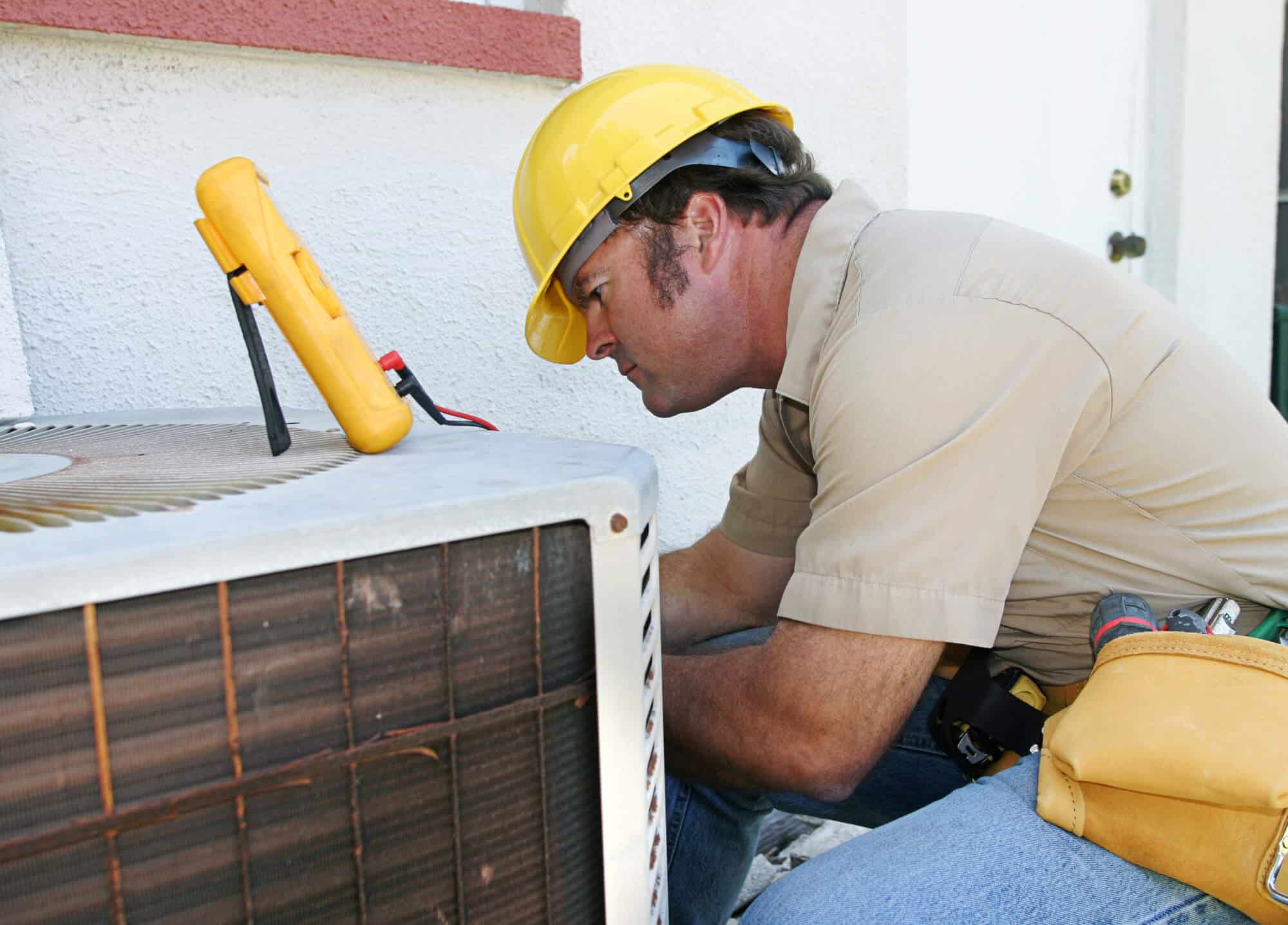
New Orleans summers are unforgiving. With daily highs pushing 95 degrees Fahrenheit and humidity sitting above 85 percent from June through September, a broken air conditioner is not a minor inconvenience. It is a health emergency. Heat index readings regularly exceed 105 degrees Fahrenheit in the metro area, and without a working AC, temperatures inside a closed home can become dangerous within hours. Big Easy Air Conditioning provides fast, licensed AC repair across the greater New Orleans area, including Metairie, Kenner, Gretna, Chalmette, Slidell, the Northshore, and surrounding parishes. Our technicians are EPA 608 certified, licensed through the Louisiana State Licensing Board for Contractors, and trained to diagnose and fix every major AC brand and system type. When your AC fails in New Orleans, you need someone who shows up fast and gets it right the first time.
Many homeowners wait too long to call for service because the symptoms seem minor at first. In New Orleans, a small problem escalates quickly when outdoor temperatures are extreme. Knowing what to watch for helps you act before a manageable repair becomes a costly breakdown.
If your system is running continuously but the air coming from the vents is warm or barely cool, there are several likely causes. Low refrigerant from a slow leak is one of the most common culprits in New Orleans homes, especially in older systems that have not been serviced in years. Dirty evaporator or condenser coils are another frequent cause. In a high-humidity environment like New Orleans, coils collect dirt and biological growth rapidly, reducing the system’s ability to transfer heat. Blocked airflow from a clogged filter or collapsed ductwork can also cause the system to run without effectively cooling. None of these problems resolve on their own. Each requires a licensed technician to diagnose and correct the underlying cause.
When your AC fails to start at all, the problem is almost always electrical. The most frequent cause is a failed run capacitor, which is the component that gives the compressor and fan motors the initial electrical boost to start up. Capacitors are subjected to intense stress during New Orleans summers because systems run 10 to 14 hours per day in peak months, and heat shortens their lifespan significantly. A failed contactor, which controls power flow to the compressor, is another common cause. Thermostat malfunctions, blown fuses, and tripped breakers can also prevent startup. An afternoon thunderstorm power surge is a frequent trigger for electrical failures in New Orleans homes. Our technicians carry replacement capacitors and contactors on every service vehicle for same-day repairs.
Weak airflow means the conditioned air your system produces is not reaching the living spaces effectively. The most common causes are a dirty or clogged air filter restricting airflow before it reaches the blower, a failing blower motor that cannot move enough air through the system, and leaking or disconnected ductwork. In New Orleans, ductwork in attic spaces is exposed to extreme heat, which degrades flex duct over time and causes disconnections at joints. A system blowing weak air will run longer to reach your thermostat setpoint, driving up energy bills while failing to remove humidity from your home.
Seeing ice on your indoor air handler or on the refrigerant lines is alarming, but it has a straightforward explanation. Ice forms when the evaporator coil gets too cold, which happens when airflow is restricted by a clogged filter or failing blower, or when refrigerant levels are low. New Orleans humidity contributes to this problem because the coil is constantly working to remove moisture from the air. If you see ice, turn the system off and let it thaw completely before calling for service. Running a frozen coil can burn out the compressor. Once thawed, a technician will identify whether the cause is airflow restriction, a refrigerant leak, or a failing component.
Short cycling means the system starts up, runs for only a few minutes, shuts off, then immediately restarts. This pattern puts enormous stress on the compressor, which is the most expensive component of your AC system. Short cycling is caused by refrigerant leaks, oversized equipment, a failing compressor, electrical problems, or a malfunctioning thermostat. In New Orleans, where compressors work at maximum capacity for months at a time, short cycling left unaddressed will significantly shorten the system’s life. If your system is cycling on and off every few minutes, call for service the same day.
Your AC should run with a steady hum. Unusual noises are the system communicating that something is wrong. Rattling or banging sounds often indicate a loose component inside the air handler, such as a fan blade that has come out of alignment or a loose panel. Grinding or scraping sounds point to motor bearing failure in the blower or condenser fan. Squealing sounds indicate a worn belt in older systems or a bearing beginning to fail. A high-pitched hissing sound can indicate a refrigerant leak. Any new noise that was not present before should be investigated. Ignoring noise symptoms typically leads to more extensive and more expensive repairs.
A properly functioning air conditioner removes moisture from your home as a byproduct of the cooling process. If your indoor humidity is high enough to cause condensation on windows, musty odors, or that characteristic sticky feeling even with the AC running, the system is not dehumidifying effectively. This is a common problem in New Orleans homes for several reasons. A low refrigerant charge reduces the system’s ability to remove moisture. An oversized AC unit that short cycles does not run long enough to pull humidity out of the air. A clogged evaporator coil also reduces dehumidification. New Orleans humidity at 85 percent or higher is not just uncomfortable. It promotes mold growth inside ductwork and on building materials, so addressing this problem promptly is important for indoor air quality.
If your AC is tripping the circuit breaker repeatedly, or if you are noticing flickering lights or voltage drops when the system starts up, you have an electrical problem that needs immediate attention. A compressor drawing excessive current because it is aging or failing will trip the breaker as a protection mechanism. Wiring degraded by moisture and heat, corroded connections at the outdoor disconnect box, and failing capacitors all cause abnormal electrical draw. In New Orleans, afternoon thunderstorms regularly produce power surges that can damage control boards and capacitors. Never repeatedly reset a breaker on a tripping AC circuit without having a technician inspect the system first.
Big Easy Air Conditioning technicians perform all standard AC repairs on every major brand, including Carrier, Lennox, Trane, Rheem, Goodman, York, and American Standard. Below is a breakdown of the repair types we handle most frequently in New Orleans homes and light commercial buildings.
Refrigerant Leak Detection and Recharge
We locate refrigerant leaks using electronic leak detection equipment, repair the leak at the source, and recharge the system to the manufacturer-specified level. All refrigerant work is performed by EPA 608 certified technicians. We work with R-410A, R-22 (in older systems), and R-32 refrigerants. Simply adding refrigerant without locating and fixing the leak is not a proper repair. The refrigerant will leak out again and the underlying problem remains. We fix the leak first.
Capacitor and Contactor Replacement
Capacitors and contactors are among the most common failure points for AC systems in New Orleans due to the intense heat load placed on these components during long summer operating cycles. Replacement is typically straightforward and can usually be completed in a single service visit. We stock a wide range of capacitor and contactor specifications on our service vehicles.
Evaporator and Condenser Coil Cleaning
New Orleans humidity causes dirt, pollen, and biological growth to accumulate on coils faster than in drier climates. Dirty coils reduce efficiency and cooling capacity significantly. We clean both the indoor evaporator coil and the outdoor condenser coil using coil-safe cleaning solutions. We also inspect for coil damage and pinhole leaks that cause refrigerant loss over time.
Blower Motor and Fan Motor Repair and Replacement
The blower motor moves conditioned air through your ductwork. The condenser fan motor pulls air across the outdoor coil to release heat. Both are subjected to heavy wear during New Orleans summers. We repair or replace failing motors and check capacitor compatibility to ensure the new motor operates correctly from the first startup.
Thermostat Calibration and Replacement
An incorrectly calibrated or malfunctioning thermostat causes the system to run too long, short cycle, or fail to respond to temperature changes. We calibrate existing thermostats, replace failed units, and install programmable or smart thermostats that improve comfort and reduce energy use in New Orleans homes.
Drain Line Flush and Clog Clearing
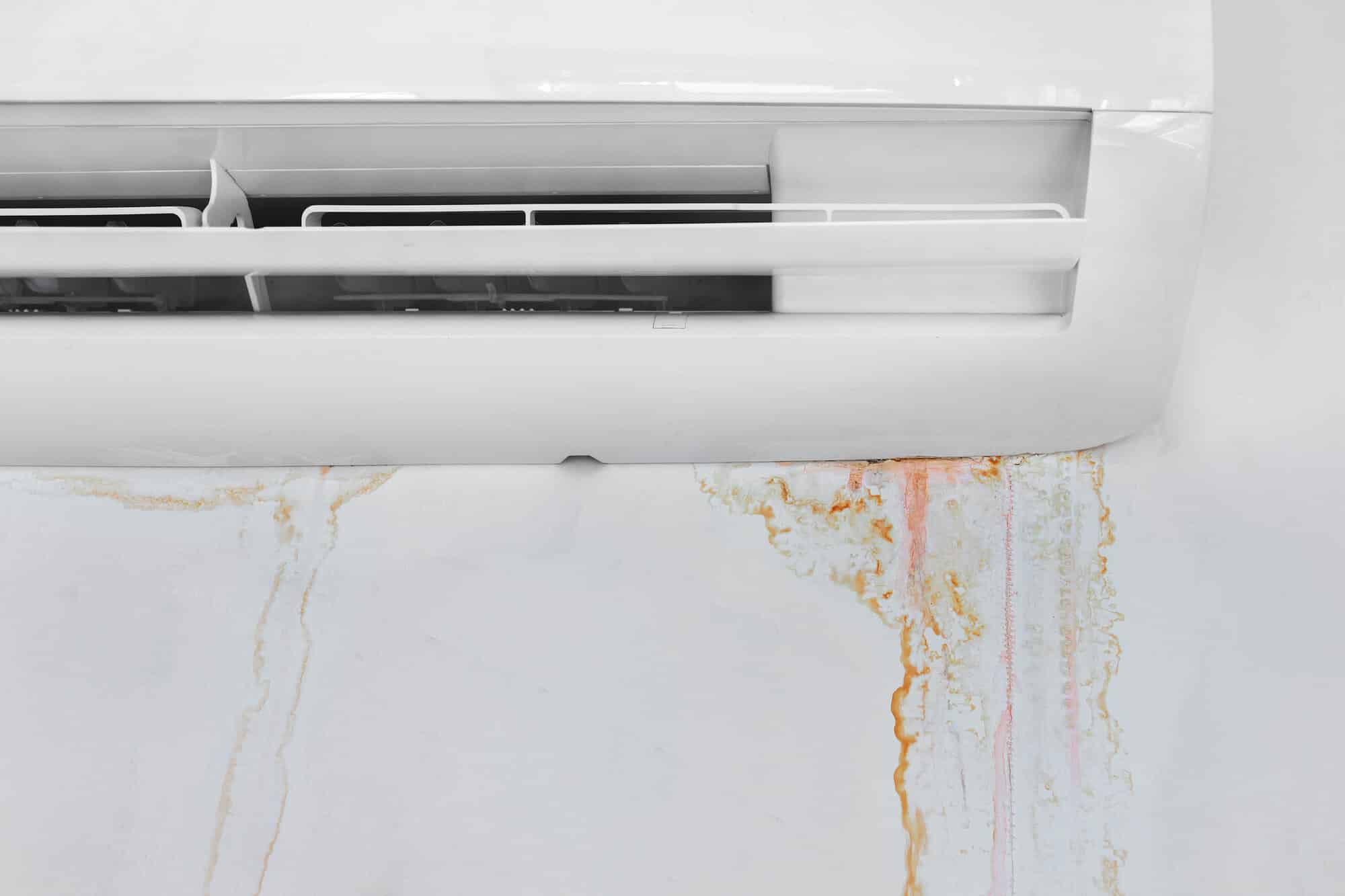
The condensate drain line removes the moisture your AC pulls from the air. In New Orleans, this line handles an enormous volume of water due to the extreme humidity. Algae and mold grow rapidly inside drain lines in this climate, causing clogs that back up water into the drain pan and eventually overflow into the ceiling or walls. A clogged drain line is one of the most common AC service calls in New Orleans. We flush the line, clear the clog, and treat it with algaecide to slow regrowth.
Compressor Diagnosis and Replacement
The compressor is the heart of your AC system and the most expensive component. Compressor failure in New Orleans is often heat-related. Systems running 12 or more hours per day in 95-degree heat without adequate refrigerant charge, airflow, or maintenance will experience compressor failure earlier than the rated lifespan. We perform full compressor diagnostics before recommending replacement. If the compressor has failed but the rest of the system is in good condition, replacement can restore full function. If the system is older or has additional problems, we will give you an honest assessment of whether full system replacement makes more sense.
Ductwork Leak Sealing
Leaking ductwork is extremely common in New Orleans homes, particularly in attic-mounted systems where flex duct is exposed to intense heat. Duct leaks waste conditioned air and reduce system efficiency by 20 to 30 percent in some cases. We locate duct leaks, seal connections with mastic or foil tape, and replace sections of ductwork that have deteriorated beyond sealing.
Big Easy Air Conditioning offers same-day AC repair service throughout the greater New Orleans area. We understand that in a city where summer temperatures and humidity levels push heat index readings past 110 degrees Fahrenheit, a broken AC is not something that can wait days for a scheduled appointment.
New Orleans heat poses genuine health risks. The elderly, children under five, people with cardiovascular conditions, and anyone without access to a cool space are at elevated risk for heat exhaustion and heat stroke when indoor temperatures climb. The Centers for Disease Control identifies heat as the leading cause of weather-related deaths in the United States, and New Orleans summers create those conditions regularly.
While you wait for a technician, take these steps to reduce heat stress in your home. Close curtains and blinds on the south and west-facing windows to block radiant heat gain. Move to the lowest level of the home, since heat rises and upper floors become significantly hotter. Stay hydrated and avoid cooking, which adds heat to the interior. Use battery-powered fans to improve air circulation. If you have elderly family members or young children in the home, consider moving them to a neighbor’s home, a library, or a shopping mall with working AC while repairs are completed.
Call 504-636-8724 for emergency AC repair in New Orleans. We dispatch technicians as quickly as possible and will give you a realistic arrival window when you call.
AC repair costs in New Orleans vary based on the type of repair, the age and brand of the equipment, and the parts required. The following ranges reflect typical costs for the most common repairs in the greater New Orleans area. All repairs include a diagnostic fee, which is credited toward the cost of the repair if you proceed with us.
These are typical ranges. The exact cost for your repair will be confirmed in writing before any work begins. We do not start repairs without your approval of the quoted price.
Not every broken AC is worth repairing. At some point, the cost of continued repairs exceeds the value of keeping the system running, and replacement is the smarter financial decision. Here are the factors we consider when helping you make that call.
The system is under 10 years old. If the system is relatively new and the repair cost is less than half the cost of a replacement system, repair almost always makes sense. The system has meaningful life remaining, and a targeted repair will restore it to full function.
The repair cost exceeds 50 percent of replacement cost. If you are looking at a $1,500 repair on a system that would cost $3,500 to replace, the math often points toward replacement, especially if the system is already aging.
The compressor has failed. Compressor replacement is the most expensive AC repair. If the compressor fails on a system that is more than 10 years old, replacement of the entire system is often more cost-effective than replacing just the compressor, since the other major components are also aging and may fail soon.
The system uses R-22 refrigerant. R-22 (Freon) was phased out under EPA regulations and is no longer manufactured. It remains available from stockpiles, but prices are high and supply is shrinking. If your system uses R-22 and needs a refrigerant recharge due to a leak, replacement with a modern R-410A or R-32 system is worth serious consideration.
Multiple failures in one season. A single capacitor failure is not a red flag. A compressor failure followed by a refrigerant leak followed by a blower motor failure in a single cooling season is a sign that the system is nearing end of life across multiple components simultaneously.
The system is over 15 years old. Central AC systems last an average of 12 to 15 years, and in New Orleans, where systems run hard and long, that lifespan tends toward the lower end. If your system is 15 years or older, replacement should at least be part of the conversation when a significant repair is needed.
Big Easy Air Conditioning gives you a straight assessment. If a repair is the right call, we recommend it. If replacement is clearly the smarter long-term investment, we will tell you that too, with the data to back it up.
Big Easy Air Conditioning provides AC repair services throughout the greater New Orleans metropolitan area, including the following communities.
If you are located in the greater New Orleans region and are not sure whether we service your area, call us at 504-636-8724 and we will confirm your location.
AC repair costs in New Orleans typically range from $150 to $1,500 depending on the type of repair needed. Common repairs such as capacitor replacement run $150 to $350, while drain line clogs can cost $75 to $200 to clear. More involved repairs such as blower motor replacement fall in the $250 to $650 range. Refrigerant recharges range from $200 to $500 for R-410A systems, and higher for older R-22 systems due to limited refrigerant availability. Compressor replacement, the most expensive repair, runs $800 to $2,500 or more. A diagnostic fee of $75 to $125 is typical and is credited toward the cost of the repair when you proceed. We provide a written quote before any work begins so there are no surprises.
Most common AC repairs in New Orleans are completed in a single service visit lasting one to three hours. Capacitor replacement, contactor replacement, drain line clearing, and thermostat replacement are typically done within the first hour of a service call, assuming the technician has the correct parts on hand. More complex repairs such as refrigerant leak detection and recharge or evaporator coil cleaning take two to three hours. Compressor replacement and coil replacement are larger jobs that may require a second visit if parts need to be ordered. Our technicians stock the most common parts on their service vehicles to minimize delays for New Orleans area customers.
A frozen AC unit in New Orleans almost always comes down to one of two causes: restricted airflow or low refrigerant. When airflow is blocked by a dirty air filter, a failing blower motor, or a closed supply register, the evaporator coil gets too cold and ice forms on the coil and refrigerant lines. Low refrigerant from a leak has the same effect because the pressure drop causes coil temperature to fall below freezing. New Orleans humidity makes this worse because the coil is pulling a large volume of moisture from the air, and that moisture freezes onto an already-cold coil. If you see ice, turn the system off and let it thaw before calling. Running a frozen coil can damage the compressor. A technician will identify the root cause and make the correct repair.
Condensate drain line clogs are one of the most common AC service calls in New Orleans for a straightforward reason: the combination of extreme humidity and warm temperatures creates ideal conditions for algae and mold to grow inside the drain line. Your AC removes significant amounts of moisture from the air each day in New Orleans. That water flows through the drain line, and over time algae colonizes the inside of the pipe, eventually growing enough to restrict or completely block flow. When the line clogs, water backs up into the drain pan, and if the pan fills, water overflows into your ceiling or walls. We flush the line, remove the clog, and apply algaecide treatment to slow future growth. Adding a condensate line treatment tablet monthly can extend the time between clogs.
The answer depends on the age of the system, the type of repair needed, and its recent service history. A general rule of thumb: if the system is under 10 years old and the repair cost is less than 50 percent of a replacement system, repair is typically the right call. If the system is over 15 years old, uses R-22 refrigerant, and needs a significant repair such as compressor replacement, full system replacement is usually the smarter long-term investment. New Orleans heat puts extra wear on AC systems. A unit that runs 10 to 14 hours per day in summer for 15 years has significantly more operating hours than the same unit in a cooler climate. We provide honest assessments without pushing you toward a more expensive option than your situation requires.
When your AC runs continuously but your home still feels humid, the system is not dehumidifying effectively. This is a common complaint in New Orleans, where outdoor humidity routinely reaches 85 to 90 percent. The most likely causes are low refrigerant charge, which reduces the system’s ability to pull moisture out of the air, or an oversized AC unit that cools the air to setpoint quickly and shuts off before it has run long enough to remove adequate moisture. A dirty evaporator coil also reduces dehumidification performance. In some cases, ductwork leaks bring unconditioned humid air into the system. A technician can measure refrigerant charge, check coil condition, and evaluate system sizing to identify the cause.
Several symptoms point toward a failing compressor. Hard starting, where the system struggles to start and sometimes fails before tripping the breaker, is often an early sign of compressor stress. Short cycling, where the system runs briefly and shuts down before reaching setpoint, can also indicate compressor problems. If the system is running but producing little cooling despite adequate refrigerant and clean coils, the compressor may not be building sufficient pressure. Unusual mechanical sounds such as a deep rattling or clunking from the outdoor unit during startup can indicate internal compressor wear. Compressor failure in New Orleans is frequently heat-related, as units running in extreme temperatures without adequate maintenance reach end of mechanical life faster than rated lifespan suggests.
Call for service immediately. While you wait for a technician, take steps to reduce heat buildup in your home. Close curtains and blinds on south and west-facing windows, since direct sunlight is a major source of heat gain. Move to the lowest floor of the home, since heat rises and upper floors become significantly hotter when AC is not running. Avoid using the oven or cooking on the stove, as both generate substantial heat indoors. Run portable or ceiling fans to increase evaporative cooling from perspiration, but understand that fans cool people, not rooms. If you have elderly family members, young children, or anyone with a cardiovascular or respiratory condition at home, arrange for them to spend time in an air-conditioned location, such as a neighbor’s home, a library, or a mall, while the repair is completed. Heat stroke is a life-threatening emergency in New Orleans summer conditions.
New Orleans HVAC professionals typically recommend annual AC maintenance, scheduled in early spring before the peak cooling season begins. Annual maintenance includes cleaning the evaporator and condenser coils, checking and adjusting refrigerant charge, inspecting electrical connections and components, lubricating moving parts, flushing the condensate drain line, and testing overall system performance. In New Orleans, the condensate drain line benefits from attention more than once per year due to the volume of moisture the system handles and the speed at which algae grows in the warm, humid environment. A system running 10 to 14 hours per day during summer months needs more maintenance attention than a system in a cooler climate running far fewer hours. Regular service catches small problems before they become emergency breakdowns.
Standard homeowners insurance policies in New Orleans generally do not cover AC repair or replacement due to mechanical breakdown or wear and tear. Homeowners insurance typically covers sudden and accidental damage, such as an outdoor unit damaged by a falling tree or electrical damage from a direct lightning strike during a New Orleans thunderstorm. If your unit is damaged by a named storm, document the damage and contact your insurer before attempting repairs. For protection against mechanical breakdown repair costs, a home warranty or HVAC service agreement provides more relevant coverage than homeowners insurance. AC repair costs resulting from normal wear, aging components, or deferred maintenance are almost never covered by standard homeowners policies.
Yes, and this is one of the reasons AC systems in New Orleans require more maintenance attention than systems in drier climates. High humidity promotes algae and mold growth inside the evaporator coil and condensate drain system. Over time, mold on the evaporator coil reduces airflow and heat transfer efficiency, requiring cleaning to restore performance. The moisture environment inside the air handler creates corrosion risks for electrical components and connections at terminals and control boards. Outdoor condenser units in New Orleans are also exposed to salt air near Lake Pontchartrain and the coast, which accelerates corrosion of aluminum fins and copper components. Humidity itself does not cause catastrophic sudden failure, but it accelerates the degradation of multiple system components and makes regular maintenance essential to achieving a normal system lifespan.
Yes. Big Easy Air Conditioning technicians hold required licensing through the Louisiana State Licensing Board for Contractors and are EPA 608 certified for refrigerant handling. EPA 608 certification is a federal requirement for any technician who purchases, handles, or recovers refrigerants used in AC systems. Louisiana state contractor licensing requirements ensure that technicians performing installation, repair, and replacement work meet minimum competency standards. We carry appropriate liability insurance and can provide documentation of licensing and certification upon request. Hiring an unlicensed HVAC technician in New Orleans leaves you with no regulatory recourse if the work is performed incorrectly or causes additional damage to your equipment.
Big Easy Air Conditioning is ready to diagnose and repair your AC system throughout the greater New Orleans area. Whether you are dealing with a complete breakdown in peak July heat or a gradual performance problem that has been worsening over time, our licensed technicians will identify the cause and give you a straightforward repair recommendation with a written quote before work begins.
To schedule service or request emergency AC repair in New Orleans, visit our contact page or call us directly at 504-636-8724. We serve all of New Orleans and the surrounding metro area, and we aim to get to you the same day when availability allows.