Licensed & NATE-Certified
Background-checked, factory-trained technicians who get the diagnosis and the fix right the first time.


Provides the comprehensive air conditioner maintenance New Orleans, LA
New Orleans is one of the most demanding cities in the country for air conditioning. With average summer humidity above 75%, temperatures that routinely hit the upper 90s, and a climate that requires AC use for 9 or more months of the year, your system takes a serious beating. Skipping routine maintenance here is not just an inconvenience, it is a fast path to early equipment failure. Big Easy Air Conditioning provides professional AC maintenance designed specifically for the subtropical conditions that New Orleans homeowners deal with year-round.
And getting a professional ac repair service and maintenance would be able to help you, especially when buying a new unit could be a pain, so you are going to have to have a plan in case the unit that you have now suddenly breaks down.
When you are doing some preventative maintenance on your air conditioner in your New Orleans home, then it would be able to help extend the lifespan of your ac. Your air conditioning system would be able to run so much longer and in turn lower any costs that you are going to have with any of the repairs.
You would be able to prevent your ac unit system from breaking down more often when you do some preventative maintenance for your air conditioning by up to 90 percent. This is because you are able to prevent it from happening instead of waiting for your air conditioner to break down, which would be a complete hassle when you have a New Orleans HVAC system.
Prevention is better than cure, as people say, so having your preventive maintenance for your ac unit would lead to your having to go through emergency repairs since the performance of your ac is at top notch and it would prevent you from having to buy a new ac system for your home.
 Getting your air conditioner regular maintenance would be able to give you quality performance as a whole since the HVAC system would be able to give you better heating and cooling power overall. This would be a great advantage, especially as time and seasons change in the place you live in, your home could stay as this comfortable place for you and your mates.
Being able to save some money, even if it may seem like just a little, would have a big impact on your way of living. And having preventative maintenance for your ac system would help give you that peace of mind in a financial sort of way. When you have an ac system that is broken, it could cause your energy cost to skyrocket, maintenance would help prevent that.
The quality of air that you are going to get from a broken-down HVAC system and ac unit would be low and it could affect the safety and the health of all the people who are living in your home. So going through preventive maintenance for your ac unit would help improve the overall indoor air quality in your home and keep the people who are living in your home healthy and safe, just by the air you guys are going to be breathing in.
Getting the preventive maintenance service for your air conditioning system would help you get in tune and make your home a much more comfortable place to stay, no matter what the weather may be outside. Having this sort of plan would help you with any electrical or installation request that you may have with your service provider. You may not need a furnace, just call a professional near you and avail of their service to make sure that your ac stays up and running.
When you are planning on getting an AC tune-up service for your home, you have to contact your ac maintenance provider to help you with all of your repair, electrical, replacement, and installation needs.
When they are inspecting your ac unit, the first inspection usually includes before the cooling season (which is during the winter time) and the second one is done before the heating season (which is during the summertime).
A technician would be going to your home and then they are going to be making sure that your air conditioner is in proper shape, operating, and efficient enough to last you through the change of temperature due to being in different seasons.
Big Easy Air Conditioning would be able to tell whether your air conditioning unit needs replacement and they are going to help you with the electrical and installation of it all as long as you contact them earlier.
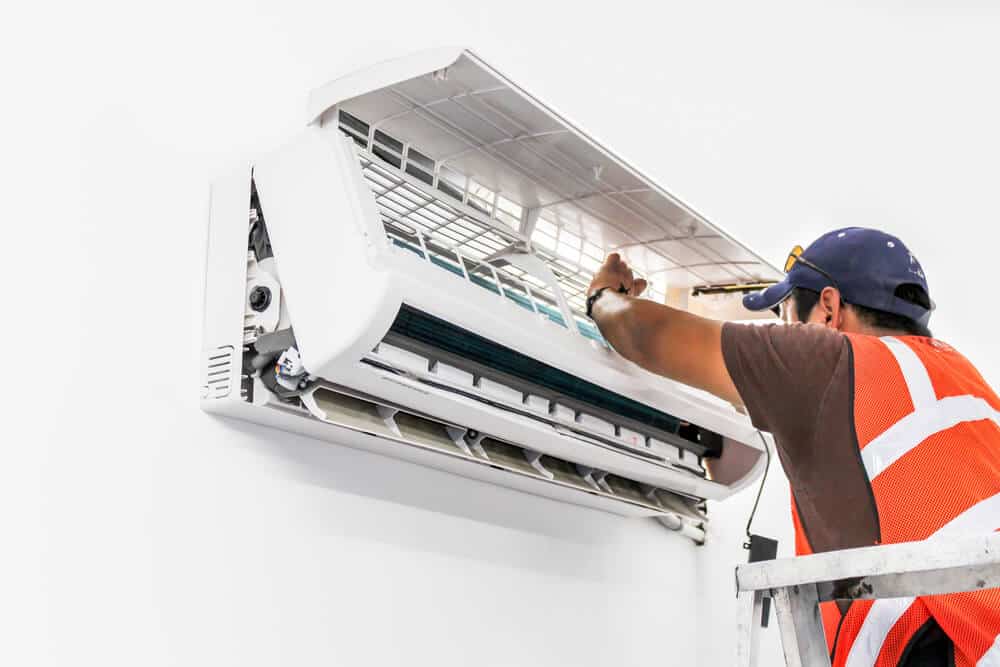 Cleaning Dirty Coils
Air conditioning maintenance in New Orleans would actually depend on the kind of lifestyle you have and how often you are using your air conditioner, but it is recommended that you have your ac maintenance every 6 months. If you are going by seasons, then ac maintenance should be done every spring and fall to prepare for the kind of intense weather chance you are going to have when winter and summer come. You have to call your provider before harsh seasons so that they could do the installation, replacements, repair, and tune-ups you are going to need.
Your ac maintenance cost would generally depend on the type of air conditioner you have and what kind of issues your ac system has. When you are talking about routing maintenance for your ac, then you could expect to have to spend somewhere between $50 to $200.
Big Easy Air Conditioning would be able to provide you with an upfront estimate for your ac maintenance and repair when they find the problem immediately, so you have to call and contact the professionals right away when you feel like your ac needs some tune-ups. They are going to know when you are going to need a new HVAC system installation, electrical repair, or a full ac replacement.
In New Orleans, most HVAC professionals recommend scheduling AC maintenance twice a year, once in the spring before the heat season starts and once in the fall. Because New Orleans summers are long and intense, with high humidity that stresses cooling systems heavily, twice-yearly service keeps your unit running at peak efficiency and catches small issues before they become expensive repairs.
A standard AC maintenance visit from Big Easy Air Conditioning includes cleaning dirty evaporator and condenser coils, replacing or inspecting air filters, unclogging condensate drain lines (a common issue in humid climates), lubricating moving parts, checking refrigerant levels, tightening electrical connections, inspecting system controls, and testing thermostat calibration. We do a full system inspection so nothing gets missed.
Routine AC maintenance in New Orleans typically ranges from $75 to $200 depending on the size and type of your system and whether any parts need to be replaced. Big Easy Air Conditioning provides upfront pricing and free estimates before work begins, so there are no surprises. Regular maintenance is far less expensive than emergency repair or full unit replacement.
Skipping AC maintenance in New Orleans can lead to higher energy bills as the system works harder than necessary, shortened equipment life due to preventable wear, poor indoor air quality from dirty coils and clogged filters, and a much higher risk of breakdown during the hottest months when repair wait times are longest. In a climate like New Orleans, a well-maintained AC is not optional, it is a necessity.
Ready to schedule your AC maintenance in New Orleans? Call Big Easy Air Conditioning at 504-636-8724 today. Our licensed HVAC technicians serve New Orleans and all surrounding areas. Free estimates available.
With Big Easy Air Conditioning in New Orleans, our team of skilled technicians would be able to help you bring your unit system back to life and make sure that we accommodate any request that you may have when it comes to your ac unit. We would be able to help you with air conditioner maintenance services which usually includes ac repair.
We also give other services like duct services, heating services, ductless system, and many more. If you are interested in all of our maintenance and repair services, especially when it comes to service, maintenance, and repair for your HVAC unit in NOLA, contact us today!
Background-checked, factory-trained technicians who get the diagnosis and the fix right the first time.
Clear quotes before any work begins — no hidden fees, no surprises, no pressure.
Fast scheduling and round-the-clock emergency response so your comfort is never on hold.
We stand behind every install, repair, and tune-up until you are completely comfortable.