

What Is the Best AC Brand for Humid Climates?
Trane, Carrier, and Lennox consistently rank as the best AC brands for humid climates like New Orleans. These manufacturers offer variable-speed compressors and advanced dehumidification features that remove excess moisture while maintaining energy efficiency. The right brand depends on budget, home size, and specific humidity challenges.
Why Does Humidity Matter When Choosing an AC Brand?
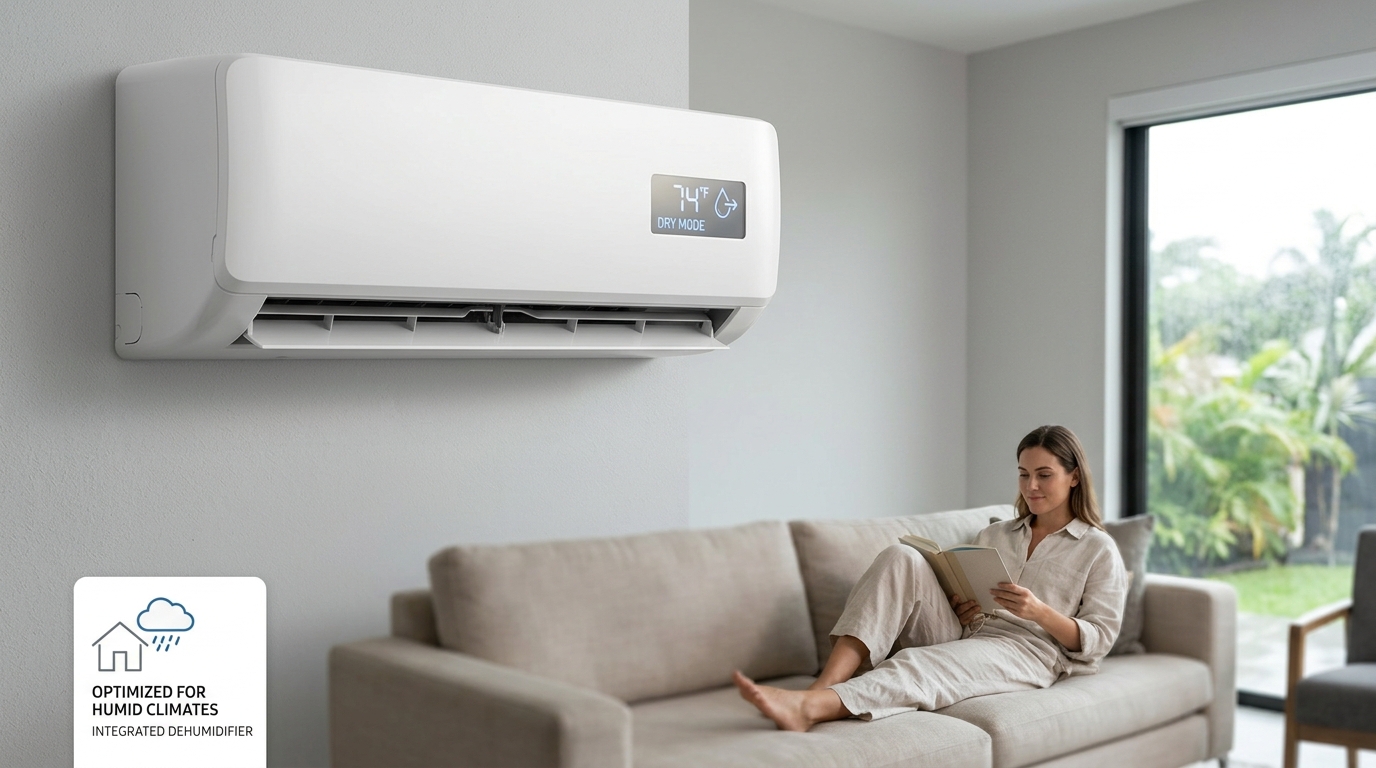 New Orleans averages 75% relative humidity year-round, according to the National Weather Service. Standard AC systems cool the air but may not remove enough moisture in extremely humid environments.
An AC unit that short-cycles — turning on and off too frequently — never runs long enough to pull humidity out of the air. This leads to clammy indoor conditions even when the thermostat reads 72°F. Brands that offer variable-speed or two-stage compressors solve this problem by running longer at lower output, extracting more moisture per cycle.
The impact of humidity on AC performance goes beyond comfort. Excess indoor moisture promotes mold growth, damages wood surfaces, and drives up energy costs.
Which AC Brands Perform Best in High-Humidity Areas?
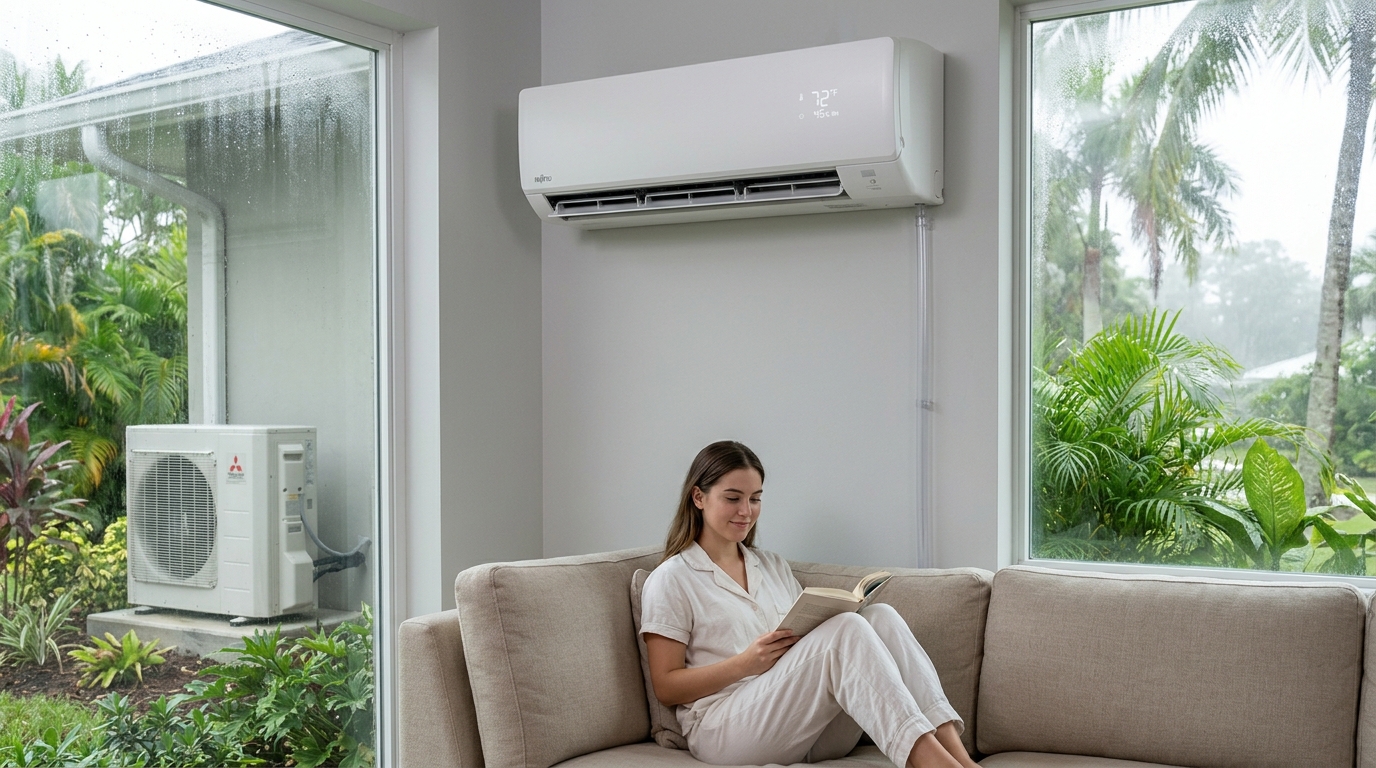
Three brands stand out based on independent testing, contractor feedback, and performance in Gulf Coast climates.
Trane XV20i
- Variable-speed compressor with 750+ stages of comfort
- Up to 22 SEER2 rating
- Built-in humidity control that adjusts fan speed automatically
- Designed and tested for extreme heat and humidity
Carrier Infinity 26 (24VNA6)
- Greenspeed Intelligence with variable-speed technology
- Up to 26 SEER2 — one of the highest ratings on the market
- Ideal Humidity System keeps indoor moisture between 40-50%
- Silencer System reduces outdoor noise to 51 decibels
Lennox SL28XCV
- Variable-capacity compressor with Precise Comfort technology
- Up to 28 SEER2 — the most efficient residential AC available
- iComfort integration for smart humidity monitoring
- SilentComfort technology for ultra-quiet operation
All three brands hold strong reputations with New Orleans AC professionals and offer 10-year parts warranties when registered.
How Do Variable-Speed Systems Control Humidity Better?
Single-stage compressors operate at 100% capacity or not at all. They cool the air quickly and shut off, leaving moisture behind. Variable-speed compressors adjust their output between 25% and 100%, running for longer stretches at lower power.
This longer runtime pulls significantly more moisture from the air. According to ACCA (Air Conditioning Contractors of America), variable-speed systems remove up to 400% more humidity than single-stage models under identical conditions.
The difference is noticeable. Homeowners switching from a single-stage to a variable-speed system in New Orleans typically report indoor humidity dropping from 60-65% down to 45-50%, even without a standalone dehumidifier.
What SEER Rating Should Homeowners Look For?
SEER2 (Seasonal Energy Efficiency Ratio) measures cooling output per unit of energy consumed. Higher numbers mean lower electricity bills. The federal minimum for southern states, including Louisiana, is 15 SEER2 as of January 2023.
For humid climates, aim for 16 SEER2 or higher. But the SEER rating alone does not determine dehumidification performance. A 20 SEER2 single-stage unit still short-cycles and leaves moisture behind. A 16 SEER2 variable-speed unit outperforms it on humidity control.
Here’s a quick comparison:
| Feature | Budget Tier (14-16 SEER2) | Mid-Range (17-20 SEER2) | Premium (21+ SEER2) |
|---|---|---|---|
| Compressor | Single-stage | Two-stage | Variable-speed |
| Humidity Control | Basic | Good | Excellent |
| Noise Level | Moderate | Quiet | Ultra-quiet |
| Annual Energy Cost* | ~$950 | ~$750 | ~$550 |
| Price Range (unit only) | $2,000-$3,500 | $3,500-$5,500 | $5,500-$7,500 |
*Estimated annual cooling cost for a 2,000 sq ft home in New Orleans. Source: ENERGY STAR calculator.
Selecting the right size AC unit matters just as much as the brand. An oversized unit cools too fast and short-cycles, while an undersized unit runs constantly without reaching the set temperature.
What About Ductless Mini-Splits for Humid Climates?
Ductless systems from Mitsubishi, Fujitsu, and Daikin also perform well in humid conditions. These units use inverter-driven compressors — the ductless equivalent of variable-speed — and offer strong dehumidification.
Ductless mini-splits work best for:
- Rooms or additions without existing ductwork
- Older homes where duct installation is impractical
- Zone cooling specific high-humidity areas (kitchens, bathrooms, sunrooms)
For whole-home cooling in New Orleans, central systems from Trane, Carrier, or Lennox typically provide better overall humidity management. Homeowners interested in comparing options can read about the pros and cons of ductless AC systems or explore why ductless systems are ideal for small spaces.
Contact Big Easy Air Conditioning for a personalized brand recommendation based on the home’s layout, ductwork condition, and humidity challenges.
FAQ
What SEER rating is best for humid climates?
A SEER rating of 16 or higher paired with a variable-speed compressor delivers the best humidity control in hot, humid regions.
Do all AC brands handle humidity the same way?
No. Brands with variable-speed or two-stage compressors run longer at lower speeds, removing more moisture than single-stage units.
Is a higher SEER rating always better for humidity?
Not by itself. SEER measures cooling efficiency, not dehumidification. Variable-speed technology matters more for moisture removal.
How much does a top-rated AC unit cost in New Orleans?
Premium units from Trane, Carrier, or Lennox typically cost $3,500-$7,500 for the equipment, plus $1,500-$3,000 for installation.
Can an AC unit dehumidify without overcooling?
Yes. Variable-speed systems adjust output to remove humidity while maintaining comfortable temperatures without excessive cooling.
Should homeowners in New Orleans add a whole-house dehumidifier?
A standalone dehumidifier paired with a quality AC system can help during spring and fall when cooling demand drops but humidity stays high.
Last updated: April 1, 2026