

Why Is My AC Blowing Warm Air in New Orleans?
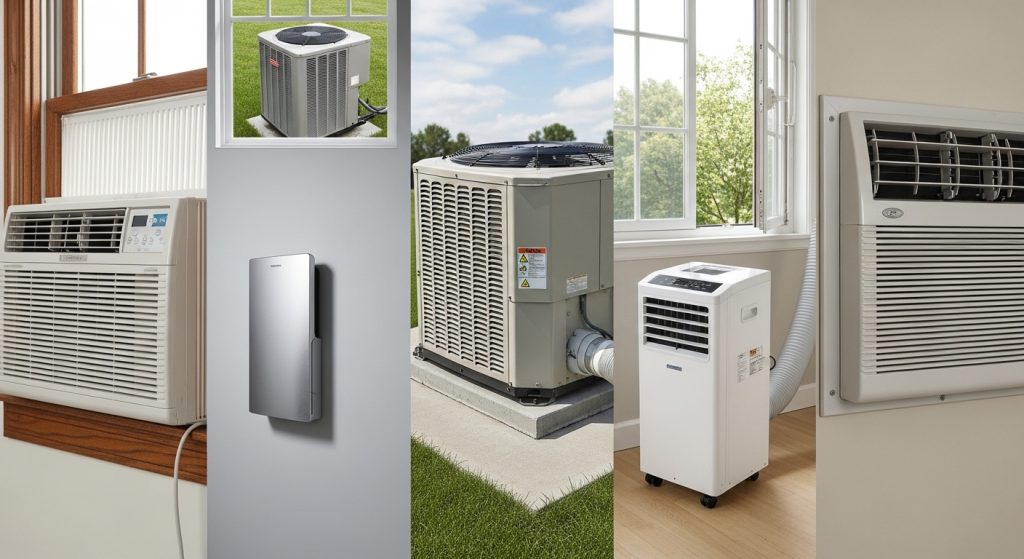
An AC blowing warm air in New Orleans most commonly points to low refrigerant, a dirty air filter, a frozen evaporator coil, or thermostat misconfiguration. In New Orleans’ extreme heat and humidity, any one of these issues can make an already uncomfortable home feel unbearable fast. Most causes are diagnosable and fixable, some without a service call.
What Causes an AC to Blow Warm Air?
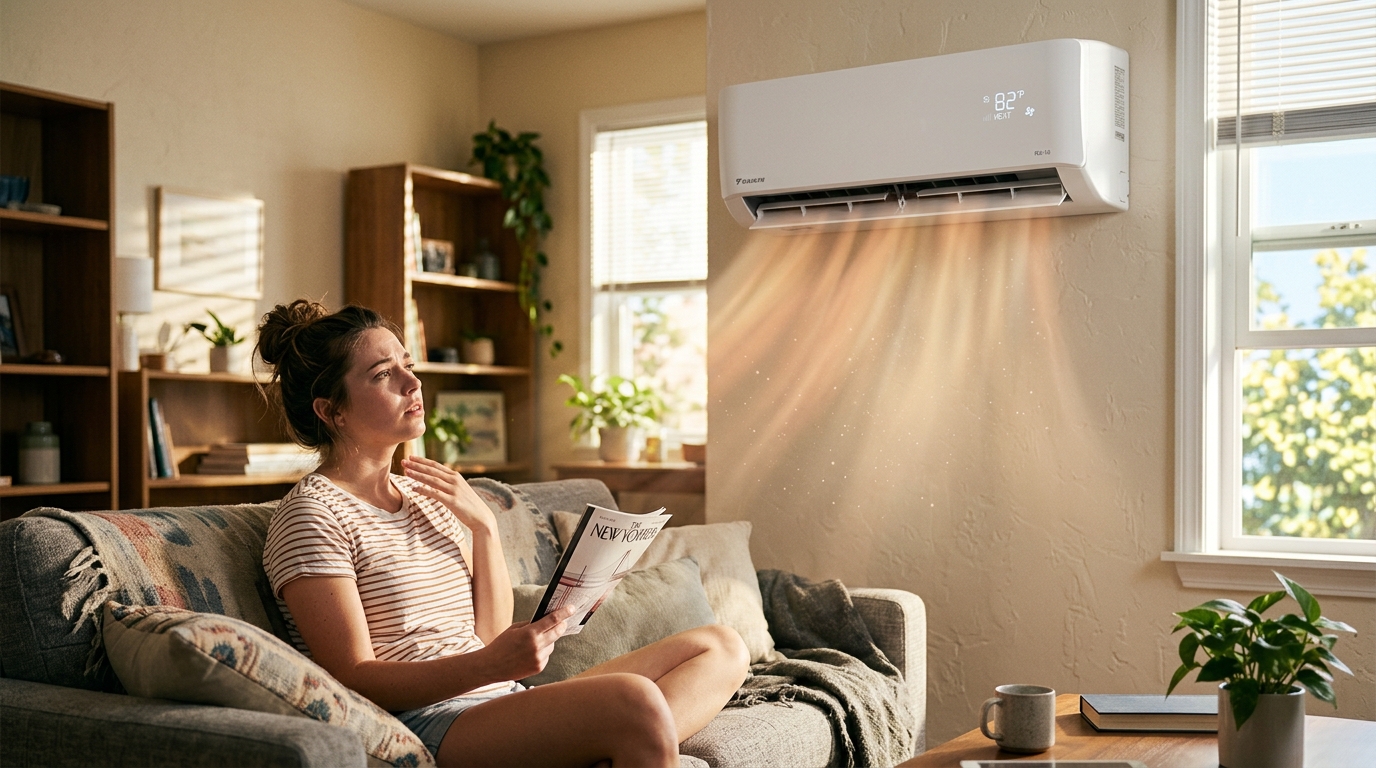
Several mechanical and setup failures can cause warm air output. The most frequent culprits in New Orleans homes include:
Incorrect thermostat setting. The fan is set to “ON” instead of “AUTO,” circulating uncooled air continuously.
Low or leaking refrigerant. Without adequate refrigerant, the system cannot transfer heat out of your home.
Dirty or clogged air filter. A blocked filter restricts airflow over the evaporator coil, reducing cooling capacity significantly.
Frozen evaporator coil. Restricted airflow or low refrigerant causes ice to form on the coil, blocking cold air delivery.
Tripped circuit breaker. The outdoor condenser unit loses power while the indoor air handler keeps running, producing warm output.
Dirty condenser coils. Outdoor coils caked with debris cannot release heat properly, degrading the entire cooling cycle.
Failing compressor. The compressor is the heart of the system. When it underperforms, cooling stops entirely.
New Orleans’ high humidity accelerates coil fouling and filter clogging more than drier climates. Filters that might last 90 days elsewhere often need replacement every 30 to 45 days here.
How Does New Orleans’ Climate Make This Worse?
New Orleans averages relative humidity above 70% for most of the year, according to the National Oceanic and Atmospheric Administration (NOAA). That moisture loads the AC system continuously, forcing it to work harder to dehumidify air before it can cool it.
When a system is already strained by humidity, even a minor issue like a partially clogged filter can push it into warm air output territory. Homeowners in the Greater New Orleans area report AC problems at higher rates during June through September, when humidity and temperatures peak simultaneously.
The outdoor condenser unit also faces more biological growth, such as mold, algae, and debris, in this subtropical climate. Dirty condenser coils reduce heat transfer efficiency by up to 30%, according to the U.S. Department of Energy.
How Do You Diagnose an AC Blowing Warm Air?
Work through these steps before calling an ac technician:
- Check the thermostat. Confirm it is set to “COOL” mode and the fan is set to “AUTO,” not “ON.”
- Inspect the air filter. Pull the filter out and hold it to the light. If no light passes through, replace it immediately.
- Check the circuit breaker panel. Look for a tripped breaker labeled for the AC or condenser. Reset it once and monitor the system.
- Inspect the outdoor unit. Look for visible ice on refrigerant lines or the unit itself, and check for debris blocking the condenser fins.
- Listen for unusual sounds. Hissing near refrigerant lines often signals a leak. Grinding or rattling near the compressor suggests mechanical failure.
If none of these steps resolves the issue, the problem likely requires professional diagnosis. Refrigerant leaks, compressor failures, and electrical faults are not safe or legal for homeowners to repair without EPA Section 608 certification.
When Should You Call a Professional for AC Warm Air Problems?
Call a licensed HVAC technician when:
- The air filter is clean, and the thermostat is correctly set, but warm air continues.
- Ice is visible on the refrigerant lines or evaporator coil.
- The outdoor unit is not running at all.
- The system short-cycles, meaning it turns on and off repeatedly without cooling.
- A hissing or bubbling sound comes from refrigerant lines.
Attempting to add refrigerant without fixing the underlying leak wastes money and violates EPA regulations. A certified technician will locate the leak, repair it, and recharge the system to the manufacturer’s specification.
For a full breakdown of what professional diagnosis and repair involve in the New Orleans area, read the complete AC repair guide for New Orleans.
How Much Does It Cost to Fix an AC Blowing Warm Air in New Orleans?
Repair costs vary by cause:
| Issue | Estimated Repair Cost |
|---|---|
| Thermostat reconfiguration | $0 (DIY) |
| Air filter replacement | $10 to $30 (DIY) |
| Refrigerant recharge and leak repair | $200 to $600 |
| Evaporator coil cleaning | $100 to $400 |
| Condenser coil cleaning | $75 to $200 |
| Compressor replacement | $800 to $2,500 |
| New AC system | $3,500 to $7,500+ |
Costs in New Orleans may run slightly higher than national averages due to regional labor rates and the frequency of emergency service calls during peak summer months.
Please note: The prices in this article are estimates only, shared to help you plan. Your actual cost depends on your property, the materials and the size of the job. For pricing on your project, call Big Easy Air Conditioning at (504) 636-8724 for a quote.
Frequently Asked Questions
Can a dirty air filter really cause my AC to blow warm air?
Yes. A severely clogged filter blocks airflow over the evaporator coil, causing it to freeze and stop cooling. Replacing the filter is the first step in any warm air diagnosis.
Why does my AC blow cold air at night but warm air during the day?
Daytime heat loads overwhelm an undersized or degraded system that barely keeps up at cooler nighttime temperatures. This often signals low refrigerant or an aging compressor.
How long can I run an AC that is blowing warm air?
Running a malfunctioning AC for extended periods can worsen the underlying problem, especially if a frozen coil is involved. Turn the system to “fan only” mode to thaw a frozen coil, then call a technician.
Is it normal for AC to blow slightly warm air when it first turns on?
Yes. The first one to two minutes of operation may feel like lukewarm air as the system builds pressure and the refrigerant cycle stabilizes. Persistent warm air after that point indicates a problem.
Does humidity in New Orleans affect how cold my AC blows?
Directly. High humidity makes air feel warmer even at the same temperature. An AC that is also dehumidifying heavily has less capacity left for sensible cooling, which can feel like reduced cold output.
Ready to get your AC blowing cold again? Contact Big Easy Air Conditioning for a free estimate. New Orleans’ first choice for air conditioning repair and service.